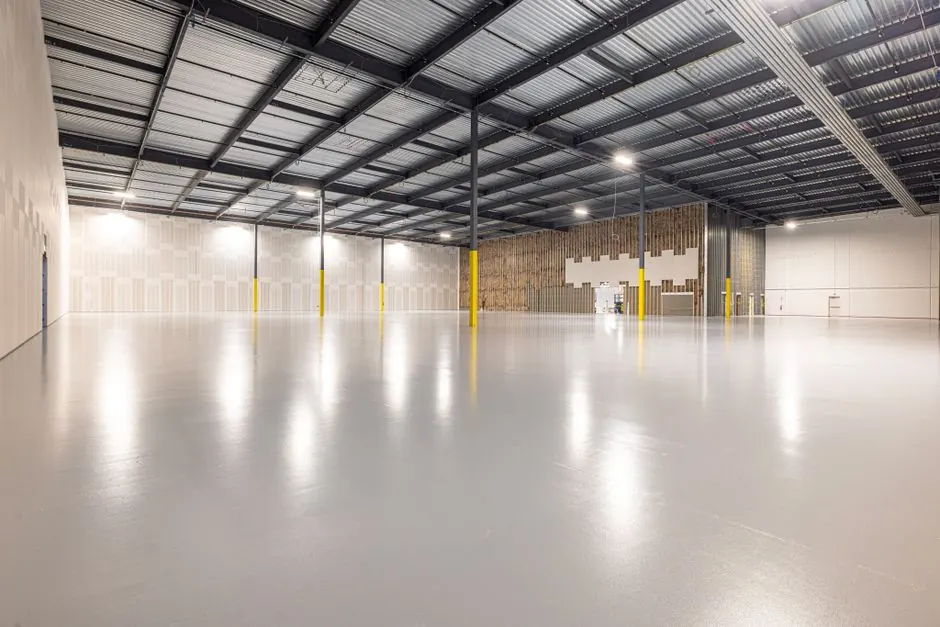
When it comes to optimizing warehouse operations in Madison, choosing the right flooring solution is crucial. Epoxy flooring stands out as one of the best options available, providing durability, safety, and aesthetics. This post will explore the various epoxy flooring solutions specifically tailored for warehouses, including benefits, types, installation processes, and maintenance tips.
Understanding Epoxy Flooring
Epoxy flooring consists of a series of coatings that are applied to concrete surfaces, creating a durable and resilient floor. This type of flooring is made from a combination of resin and hardener, which, when mixed, form a chemical reaction that results in a strong bond. In warehouses, where heavy machinery and foot traffic are common, epoxy flooring is particularly beneficial.
Benefits of Epoxy Flooring for Warehouses
There are numerous advantages to using epoxy flooring in warehouse settings:
- Durability: Epoxy floors can withstand heavy loads and resist wear and tear, making them ideal for warehouse environments.
- Safety: Many epoxy coatings can be formulated to be slip-resistant, reducing the risk of accidents.
- Easy Maintenance: Epoxy flooring is easy to clean and maintain, requiring only regular sweeping and occasional mopping.
- Aesthetic Appeal: Available in various colors and finishes, epoxy can enhance the visual appeal of your warehouse.
These benefits make epoxy flooring an excellent choice for warehouse owners in Downtown Madison and surrounding areas.
Types of Epoxy Flooring Solutions
Several types of epoxy flooring solutions are available, each catering to different warehouse needs:
- Standard Epoxy: Suitable for general warehouse use, providing a durable finish.
- Anti-slip Epoxy Flooring: Ideal for areas prone to spills, enhancing safety.
- Metallic Epoxy Flooring: Offers a unique aesthetic with a reflective finish, suitable for showrooms and display areas.
- Flake Epoxy Flooring: Combines decorative flakes with epoxy for a textured finish, perfect for enhancing aesthetics.
- Industrial Epoxy Flooring: Designed for heavy-duty use, suitable for warehouses with heavy machinery.
Choosing the right type depends on your specific warehouse needs, whether you prioritize aesthetics or durability.
Installation Process
The installation of epoxy flooring involves several steps:
- Surface Preparation: The concrete surface must be cleaned and prepared to ensure proper adhesion.
- Application of Epoxy: The epoxy mixture is applied, typically in two or more coats, allowing each layer to cure properly.
- Finishing Touches: Depending on the type of epoxy used, additional finishes may be applied for enhanced durability or aesthetics.
For optimal results, consider hiring professionals experienced in epoxy floor installation to ensure the job is done correctly.
Maintenance and Care
Proper maintenance is essential for prolonging the life of your epoxy flooring. Here are some tips:
- Regularly sweep or vacuum to remove dirt and debris.
- Mop with a mild detergent and water to keep the surface clean.
- Address any spills immediately to prevent staining or damage.
- Consider periodic professional cleaning to maintain the floor's appearance.
By following these maintenance practices, you can ensure your epoxy flooring remains in excellent condition.
Common Mistakes to Avoid
When installing epoxy flooring, avoid these common mistakes:
- Poor Surface Preparation: Failing to properly clean and prepare the surface can lead to adhesion issues.
- Skipping the Curing Time: Rushing the installation process by not allowing proper curing can compromise the floor's durability.
- Choosing the Wrong Type: Selecting an epoxy type that doesn't meet your warehouse needs can lead to premature wear.
Avoiding these pitfalls will help you achieve a successful flooring project.
When to Call a Professional
If you're considering epoxy flooring for your warehouse, it's wise to consult with experts like Madison WI Epoxy Flooring Experts. We can assess your specific needs and recommend the best solutions tailored to your warehouse environment.
Frequently Asked Questions
What is the lifespan of epoxy flooring?
Epoxy flooring can last between 10 to 20 years, depending on the traffic and maintenance practices.
Is epoxy flooring suitable for outdoor use?
While some epoxy formulations are suitable for outdoor use, most are designed for indoor environments. Consult with a professional for outdoor options.
How long does the installation process take?
The installation time can vary but typically takes 1 to 3 days, depending on the size of the area and the type of epoxy used.
Can I install epoxy flooring myself?
While DIY installation is possible, hiring professionals ensures proper preparation and application, leading to better results.
How can I clean my epoxy floor?
Regular sweeping and mopping with a mild detergent will keep your epoxy floor clean and looking its best.
Get help with epoxy flooring in Madison
For expert epoxy flooring solutions tailored to your warehouse, contact us today. We offer comprehensive services to meet your needs.
Call us at 333333333333 for a consultation.