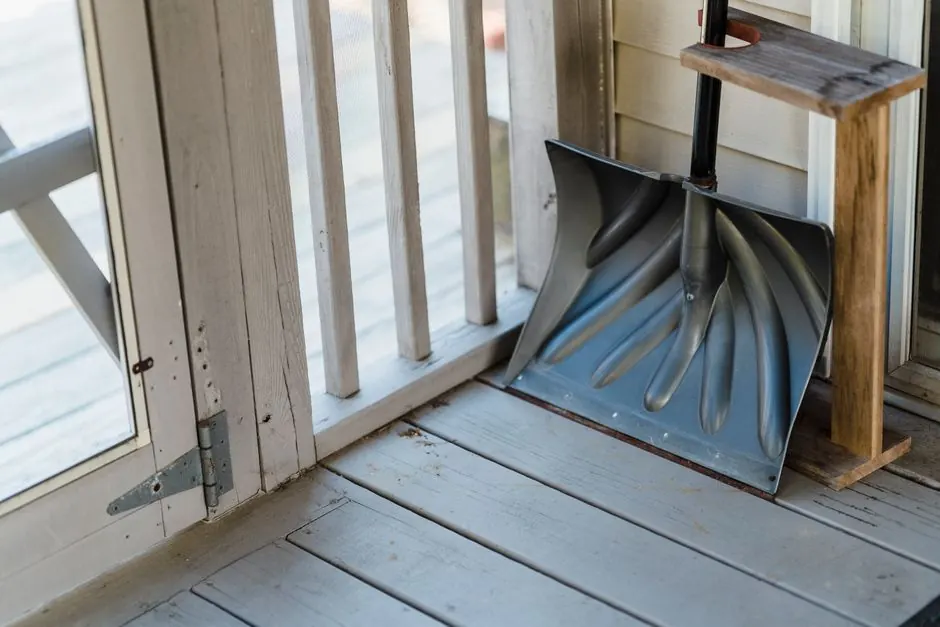
As winter approaches in Madison, it's essential to prepare your epoxy floors for the colder months. Proper preparation ensures your floors remain durable and visually appealing despite the harsh weather conditions. In this article, we will cover the importance of winter preparation for epoxy floors and provide actionable steps to protect your investment.
Understanding Epoxy Floors
Epoxy flooring is a popular choice for both residential and commercial spaces due to its durability and aesthetic appeal. Composed of a mixture of resins and hardeners, epoxy creates a strong, long-lasting surface that can withstand heavy foot traffic and spills. However, the unique composition of epoxy flooring also means it requires specific care, especially during the winter months.
Why Winter Preparation is Important
Winter in Madison can bring snow, ice, and freezing temperatures that can affect your epoxy floors. If not properly prepared, these conditions can lead to:
- Cracking: Extreme cold can cause epoxy floors to become brittle, leading to cracks.
- Moisture Damage: Snow and ice can introduce moisture that may seep under the flooring, causing damage.
- Slippery Surfaces: Ice buildup can create hazardous conditions, making your floors unsafe.
Taking the time to prepare your epoxy floors can help prevent these issues and extend the life of your flooring.
Steps to Prepare Your Epoxy Floors
Here are some essential steps to ensure your epoxy floors are ready for winter:
- Clean Thoroughly: Start by cleaning your floors to remove any dirt, debris, or stains. Use a pH-neutral cleaner to avoid damaging the epoxy.
- Inspect for Damage: Check for any existing cracks or chips in the epoxy. If found, consider scheduling epoxy floor repair before winter.
- Apply a Protective Coating: Consider applying an additional layer of epoxy floor coating to enhance protection against moisture and cold.
- Use Floor Mats: Place mats at entry points to catch snow and moisture from shoes, reducing the amount that reaches your floors.
- Maintain Indoor Humidity: Keep indoor humidity levels balanced to prevent condensation on your floors.
Following these steps can significantly enhance the durability of your epoxy floors throughout the winter months.
Common Mistakes to Avoid
When preparing your epoxy floors for winter, be mindful of these common mistakes:
- Neglecting Regular Maintenance: Skipping regular cleaning and maintenance can lead to long-term damage.
- Using Harsh Chemicals: Avoid using harsh chemicals or abrasive cleaners that can damage the epoxy surface.
- Ignoring Temperature Recommendations: Always follow the manufacturer's guidelines regarding temperature limits for application and maintenance.
Avoiding these pitfalls will help ensure your floors remain in excellent condition throughout winter.
When to Call a Professional
If you notice significant damage or feel overwhelmed by the preparation process, it may be time to call in the experts. At madison wi epoxy flooring Experts, we specialize in residential epoxy flooring madison WI, offering comprehensive services to ensure your floors are winter-ready. Our team can provide thorough inspections and repairs, ensuring your flooring stays protected.
Frequently Asked Questions
- How often should I clean my epoxy floors? Regular cleaning is recommended every few weeks, especially during winter when dirt and moisture can accumulate.
- Can I apply epoxy coating myself? While DIY application is possible, it's best to hire professionals for optimal results and long-lasting durability.
- What temperature is best for epoxy flooring installation? Epoxy should be installed at temperatures between 60°F and 90°F for best results.
- Is epoxy flooring slippery? Epoxy can be slippery when wet; consider using anti-slip additives for enhanced safety.
- How do I remove ice from my epoxy floors? Use a plastic shovel or a broom to gently remove ice without scratching the surface.
Preparing your epoxy floors for winter in Madison is crucial for maintaining their appearance and functionality. By following these guidelines, you can ensure your floors withstand the colder months effectively.