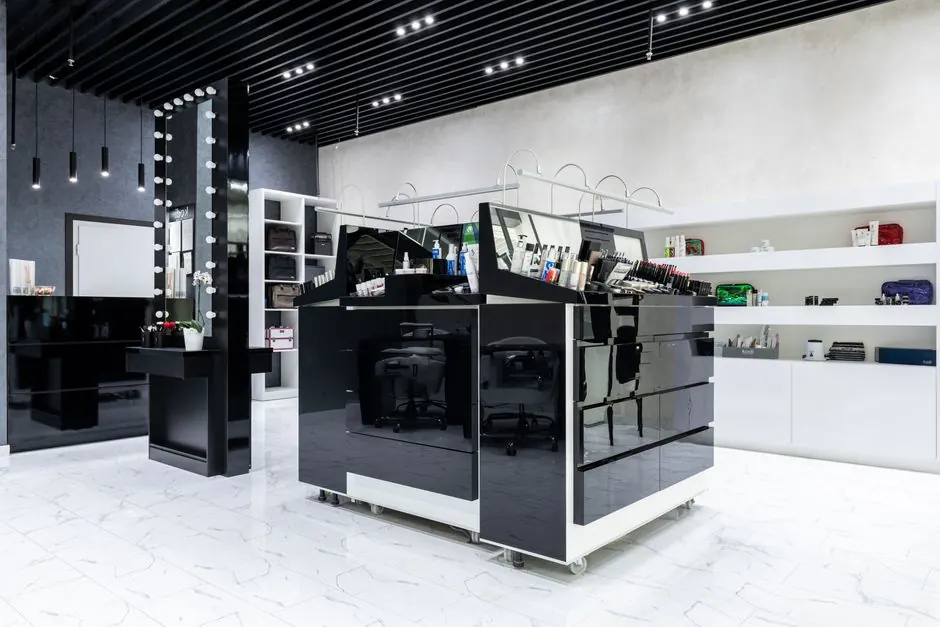
When it comes to retail spaces, the choice of flooring can significantly affect both aesthetics and functionality. Epoxy flooring stands out as a durable and visually appealing option that can enhance the shopping experience. In this article, we will explore essential tips for successfully implementing epoxy flooring in retail spaces, focusing on the unique needs of businesses in Madison.
Understanding Epoxy Flooring
Epoxy flooring is a multi-layered system consisting of a base layer of epoxy resin and a hardener that creates a durable surface. This flooring type is known for its strength and resistance to wear, making it suitable for high-traffic environments like retail stores. Its seamless nature also helps in maintaining cleanliness, an essential factor for any retail business.
Benefits of Epoxy Flooring for Retail Spaces
Choosing epoxy flooring for your retail space comes with several advantages:
- Durability: Epoxy floors can withstand heavy foot traffic and resist scratches and stains.
- Visual Appeal: Available in various colors and finishes, epoxy can be customized to match your store's branding.
- Cost-Effectiveness: While the initial investment may be higher than other flooring options, the longevity of epoxy flooring can lead to lower costs over time.
- Easy Maintenance: Regular cleaning is simple, requiring just a mop and mild detergent.
For retail spaces in Downtown Madison, where aesthetics are crucial, the ability to customize the flooring design can significantly enhance the shopping environment.
Choosing the Right Epoxy Flooring
When selecting epoxy flooring for your retail space, consider the following factors:
- Type of Epoxy: There are various types of epoxy, including solid color, metallic, and flake. Each type offers different aesthetic and functional benefits.
- Thickness: Thicker epoxy layers tend to be more durable. For retail spaces, a minimum thickness of 2-3mm is recommended.
- Finish: A glossy finish can enhance the visual appeal but may require more maintenance to keep it looking pristine.
Consulting with a professional from commercial epoxy flooring services can provide valuable insights tailored to your specific retail needs.
Installation Process
The installation of epoxy flooring involves several steps to ensure a successful outcome:
- Surface Preparation: Proper preparation of the concrete surface is crucial. This may involve cleaning, grinding, and repairing any cracks.
- Application of Epoxy: The epoxy mixture is applied in layers, typically starting with a primer followed by the main epoxy layer.
- Curing Time: Allow adequate time for the epoxy to cure, which can range from 24 to 72 hours, depending on the product used.
For businesses in Capitol Neighborhood, local climate conditions can influence the curing process, making professional installation even more critical.
Maintenance Tips for Longevity
To ensure your epoxy flooring lasts, follow these maintenance tips:
- Regular Cleaning: Sweep and mop regularly to prevent dirt buildup.
- Avoid Harsh Chemicals: Use mild detergents to clean the surface, as harsh chemicals can damage the epoxy.
- Inspect for Damage: Regularly check for any signs of wear or damage and address them promptly.
By adhering to these maintenance practices, you can keep your epoxy flooring looking new for years.
Common Mistakes to Avoid
When installing epoxy flooring in retail spaces, avoid these common pitfalls:
- Neglecting Surface Preparation: Skipping this step can lead to poor adhesion and premature wear.
- Choosing the Wrong Type: Not all epoxy types are suitable for every retail environment; choose based on foot traffic and aesthetics.
- Ignoring Curing Times: Rushing the process can result in a compromised finish.
When to Call a Professional
If you are considering epoxy flooring for your retail space, consulting with Madison WI Epoxy Flooring Experts can ensure you make informed decisions. Professionals can assess your specific needs, provide advice on materials, and guarantee proper installation, which is crucial for achieving the best results.
Frequently Asked Questions
How long does epoxy flooring last?
With proper maintenance, epoxy flooring can last 10 to 20 years, making it a long-term investment for retail spaces.
Is epoxy flooring slip-resistant?
Yes, epoxy flooring can be made slip-resistant by adding anti-slip additives to the surface, enhancing safety in busy retail environments.
Can I install epoxy flooring myself?
While DIY installation is possible, professional installation is recommended to ensure proper surface preparation and application, especially for larger retail spaces.
What is the cost of epoxy flooring?
The cost can vary based on the type and thickness of epoxy, but you can expect to pay between $3 to $12 per square foot for installation.
How do I maintain epoxy flooring?
Regular sweeping, mopping with mild detergents, and periodic inspections for damage are essential to maintain the appearance and longevity of your epoxy flooring.
Get help with epoxy flooring in Madison
If you are ready to enhance your retail space with epoxy flooring, contact us today. Our team at Madison WI Epoxy Flooring Experts is here to help you achieve the perfect look for your business.